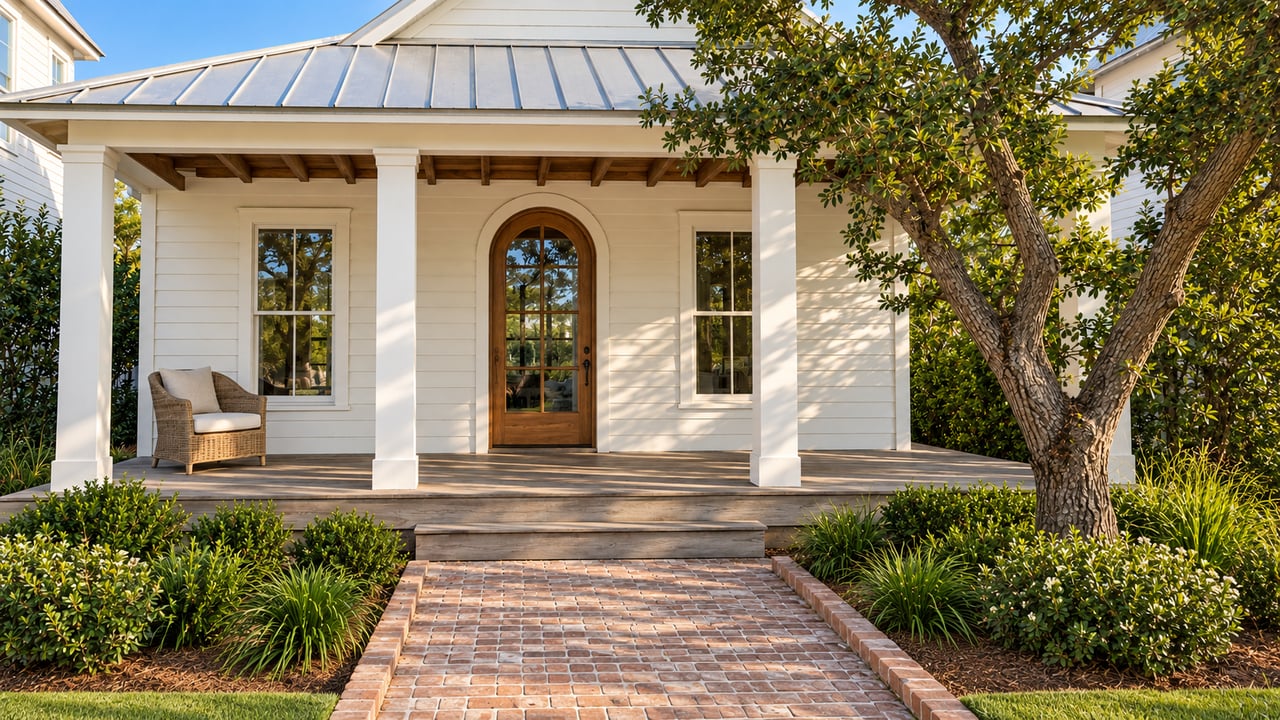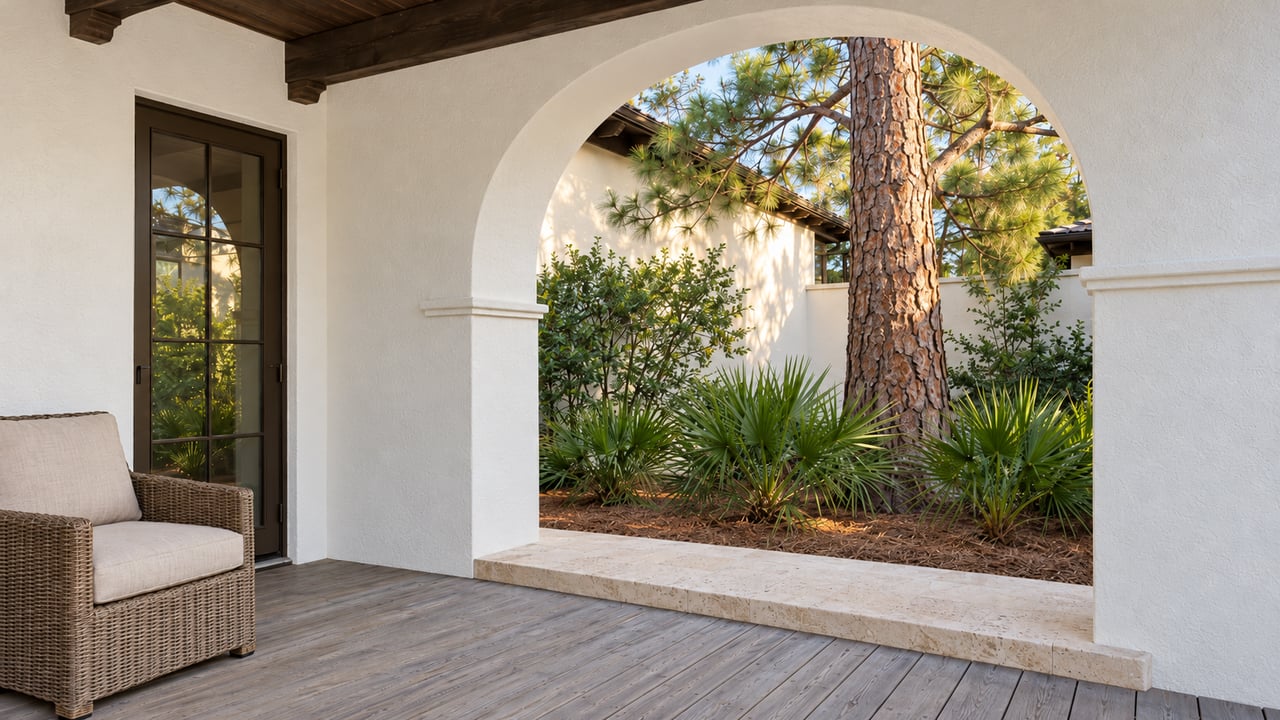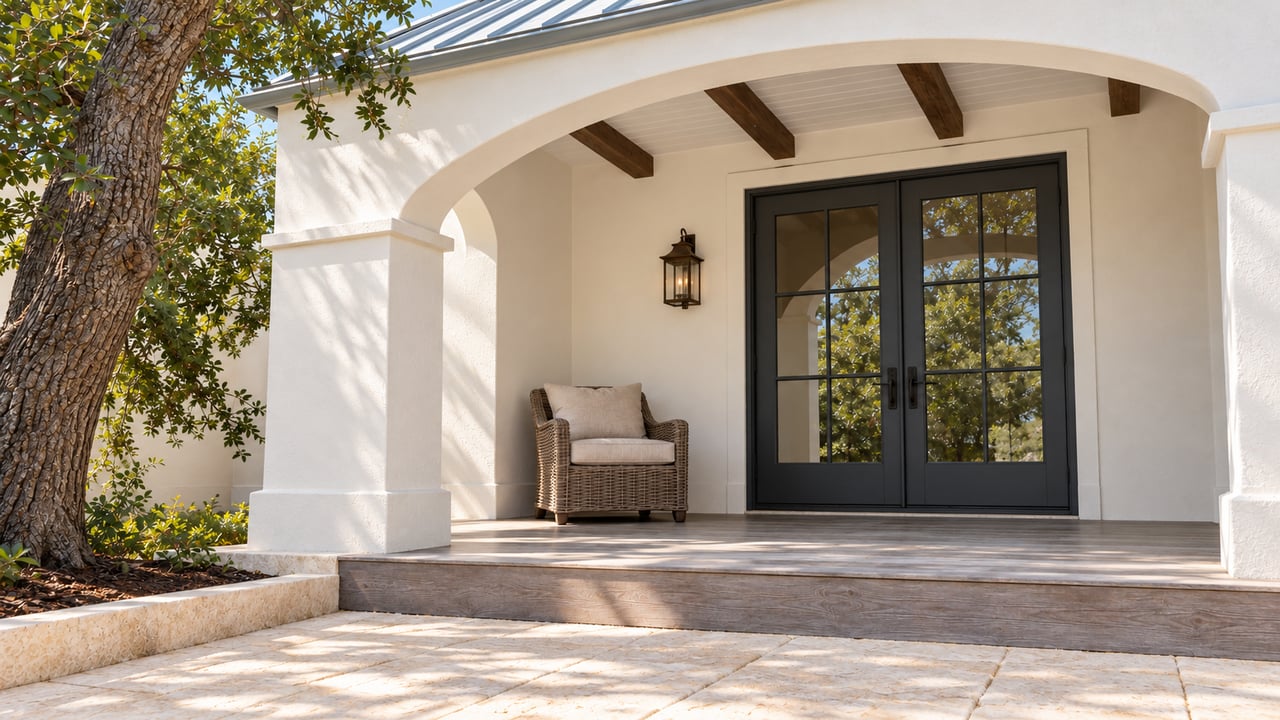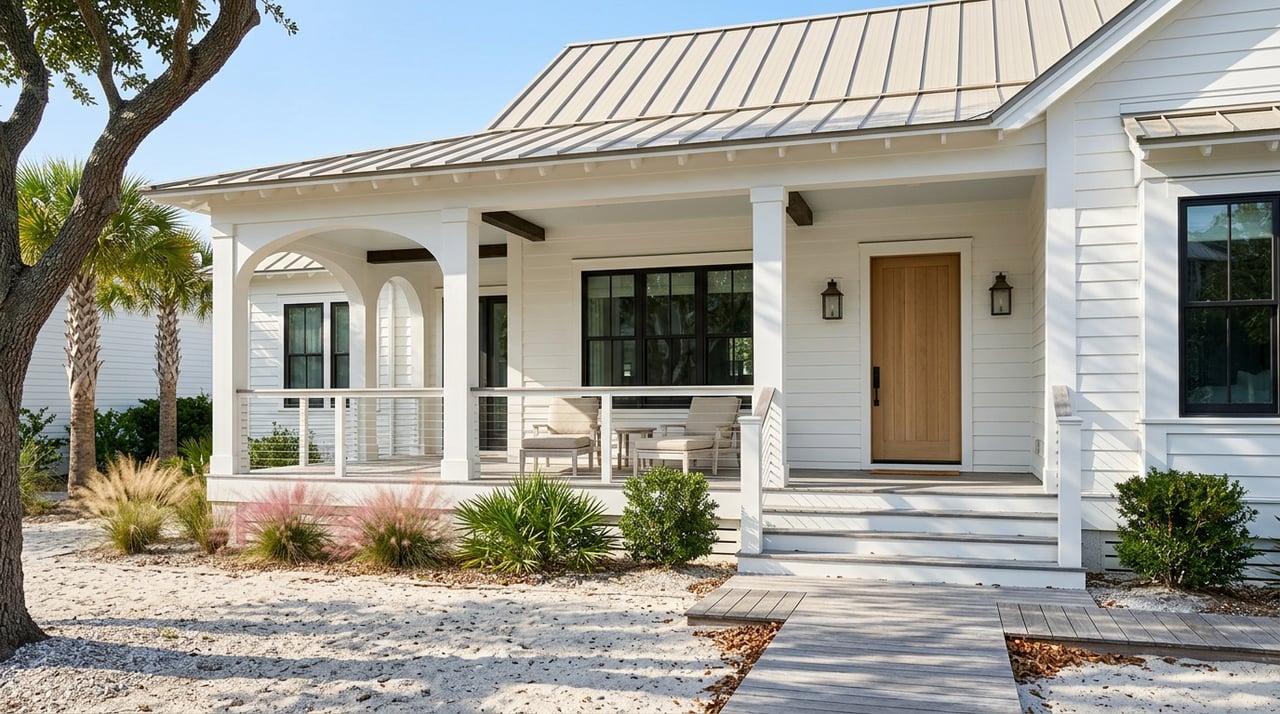
Wondering whether a classic Seagrove cottage or a newer coastal build is the better fit for your goals? In Seagrove, that choice shapes more than style. It affects how you use the home, what kind of upkeep you should expect, and how the property fits local rules. If you are weighing character against turnkey convenience, this guide will help you compare both paths with more confidence. Let’s dive in.
Why Seagrove Splits So Clearly
Seagrove stands out on 30A because it still holds two distinct housing stories at once. On one side, you have older cottage-style homes tied to the area’s early beach-town pattern. On the other, you have newer coastal builds shaped by today’s flood, wind, and permitting standards.
That split is not just visual. Walton County formalized the historic core through the Old Seagrove overlay district, which adds preservation-minded standards on top of the county land development code and supersedes conflicting standards inside the overlay boundary. For buyers, that means the decision is often about two planning philosophies, not just two home styles.
What Defines a Seagrove Cottage
Classic Seagrove cottages reflect the neighborhood’s original scale and rhythm. The Old Seagrove plan ties that character to smaller lots, beach-cottage style homes, porches, mature tree canopy, and a stronger relationship to the street.
In practical terms, cottages often feel more connected to the original Seagrove identity. You are more likely to see layered rooflines, shaded lots, and homes that sit comfortably within a lower-rise streetscape.
Old Seagrove Design Standards
Inside the Old Seagrove overlay, Walton County sets a 40-foot maximum building height, 20-foot front setbacks, 7.5-foot side setbacks, and 15-foot rear setbacks. The plan also encourages traditional roof pitches, multiple roof lines, and street-oriented front facades.
Tree protection is another major part of the area’s character. The county gives special protection to canopy trees such as live oak, hickory, and magnolia, which helps preserve the shaded, established feel many buyers associate with Seagrove.
Why Buyers Choose Cottages
If you are drawn to Old Florida character, a cottage may feel more emotionally compelling right away. These homes tend to offer mature landscaping, a quieter visual profile, and a setting that leans into porches, beach access, and outdoor living.
For many buyers, that authenticity is the main appeal. A cottage can feel less like a generic coastal product and more like a specific place with history and texture.
The Cottage Tradeoff
The tradeoff is usually future planning. Because many cottages are older structures, you should expect a higher likelihood of updates, modernization projects, or longer-term maintenance decisions over time.
That does not make a cottage the wrong choice. It simply means your purchase decision should include realistic thinking about upkeep, renovation scope, and what local overlay standards may allow if you want to expand or rebuild later.
What Defines a New Coastal Build
New coastal builds in Seagrove respond to a different set of priorities. They are typically shaped by current floodplain requirements, updated building codes, and modern expectations for layout and usability.
Walton County requires development in special flood hazard areas to go through a development order and building permit process with Flood Plain Manager review. The county also requires elevated construction in flood hazard areas, including specific elevation rules for Flood Zone A, floodways, and VE-zone documentation. In addition, the 2023 Florida Building Code took effect on January 1, 2024.
Coastal Rules Matter More Near the Beach
If a property lies seaward of the Coastal Construction Control Line, Florida adds another layer of review. The CCCL program regulates structures and activities that can contribute to beach erosion, destabilize dunes, damage upland property, or interfere with public access.
For buyers considering beachfront or near-beach redevelopment, this can be a major factor. What looks like a straightforward remodel on paper may involve much more detailed siting and design review depending on the lot’s location.
Why Buyers Pay More for Newer Homes
The biggest draw of a newer build is predictability. You are often buying newer systems, current code compliance, and a floor plan already aligned with how many second-home owners and guests want to live today.
That often means more immediate usability. Instead of budgeting for phased improvements over time, you may be paying upfront for elevation, updated finishes, and a more turnkey ownership experience.
New Does Not Mean Unlimited
Even in a newer home, Seagrove is not a free-form redevelopment market. Inside Old Seagrove, new construction still has to work within a preservation-minded framework that includes orientation, tree protection, driveway limits, height limits, and setbacks.
That matters because the overlay was created in part to respond to disproportionately large short-term-rental homes that had altered neighborhood character. In short, a new build can feel current and coastal, but in key parts of Seagrove it still has to respect a more traditional neighborhood form.
Lifestyle Differences Day to Day
Your best choice often comes down to how you want the home to feel when you arrive. Seagrove offers access to the beach, Eastern Lake, the Timpoochee Trail, restaurants, boutiques, and a long-established porch-and-outdoor-living culture.
A cottage typically leans further into that atmosphere. Mature trees, smaller-scale design, and a stronger connection to the historic street pattern can make everyday living feel more intimate and rooted in place.
A newer build often shifts the experience toward interior function. You may get larger gathering areas, a layout better suited for hosting, and a more streamlined setup for immediate family use or guest stays.
Rental Appeal and Ownership Practicalities
If rental income is part of your plan, local rules deserve close attention. Walton County allows short-term rentals in many unincorporated zoning districts, but they must meet standards for compatibility, scale, parking, occupancy, and design, and they require annual registration.
The county’s standards set occupancy at one person per 150 square feet of gross floor area. New single-family short-term rentals must generally provide one off-street parking space per 900 square feet of gross floor area unless a neighborhood plan or HOA is more restrictive.
How Those Rules Affect Cottages
Older cottages can still work as rentals, but smaller floor plans may reach occupancy limits sooner. Tighter lots can also make parking compliance more challenging, especially if your rental strategy depends on accommodating larger groups.
That does not rule cottages out for investment use. It simply means the property’s physical layout may place more limits on rental operations than a larger, newer home would.
How Those Rules Affect New Builds
Newer homes often align more easily with current occupancy and parking formulas. If your priority is a smoother path for guest use or a more turnkey short-term rental setup, a newer build may offer practical advantages from day one.
For many buyers, this is where the premium starts to make sense. A newer property can reduce the gap between purchase and use, especially when rental readiness is part of the financial plan.
A Simple Decision Framework
If you are deciding between the two, focus on your real priority instead of just the photos.
Choose a classic Seagrove cottage if you value:
- Character and original beach-town feel
- Mature trees and a shaded lot presence
- Smaller-scale architecture
- A stronger connection to Old Seagrove identity
- Long-term ownership with room for thoughtful updates
Choose a new coastal build if you value:
- Current code-based construction
- Elevated design for floodplain conditions
- More turnkey day-one usability
- Larger, more modern gathering spaces
- A property that may fit rental operations more cleanly
Four Due Diligence Checks Before You Buy
No matter which direction you lean, a few local checks can save you from expensive surprises later. In Seagrove, these items matter because regulations can affect use, design flexibility, and future costs.
Before you move forward, confirm:
- Flood zone and base flood elevation status
- CCCL proximity if the property is near the beach
- Zoning and Old Seagrove overlay limits
- Short-term rental registration path if income matters to you
Walton County recommends using its GIS mapping tools for zoning lookup, while county building resources and state coastal materials guide floodplain and coastal construction questions. For buyers comparing older homes and newer construction, these checks are often where the real differences become clear.
Which Option Fits You Best?
There is no universal winner in Seagrove. A cottage often wins on atmosphere, identity, and long-term charm, while a newer coastal build usually wins on code-current function, ease of use, and more predictable operations.
The right answer depends on how you plan to live in the home, how much flexibility you want, and whether your ownership strategy centers on personal enjoyment, guest use, or rental income. In a market as nuanced as Seagrove, those details matter more than broad labels.
If you want help comparing specific homes, reviewing overlay constraints, or weighing rental practicality against long-term lifestyle value, The Morar Group offers senior-broker guidance rooted in 30A market knowledge and thoughtful coastal property strategy.
FAQs
What is the main difference between Seagrove cottages and new coastal builds?
- Seagrove cottages usually reflect the area’s older beach-town pattern, with smaller-scale design, porches, and mature trees, while new coastal builds are typically designed around current flood, wind, and building code requirements.
What is the Old Seagrove overlay in Seagrove, Florida?
- The Old Seagrove overlay is a Walton County planning district with additional standards for height, setbacks, tree protection, driveway width, and design character that apply within its boundary.
Are new homes in Seagrove easier to use as short-term rentals?
- They often can be, because Walton County occupancy and parking formulas may fit more easily with larger floor plans and lots, although each property still needs to meet local registration and zoning requirements.
Do older Seagrove cottages usually require more maintenance?
- Many buyers should expect more long-term planning for updates or modernization with older cottages because of the age of the housing stock.
What should buyers verify before purchasing a Seagrove home?
- Buyers should confirm flood zone and elevation status, Coastal Construction Control Line proximity if relevant, zoning and overlay restrictions, and the property’s short-term rental registration path if rental income is part of the plan.
Is a new coastal build always outside the historic Seagrove character rules?
- No. If the property is inside the Old Seagrove overlay, new construction still has to follow preservation-minded standards for orientation, height, setbacks, trees, and overall neighborhood form.