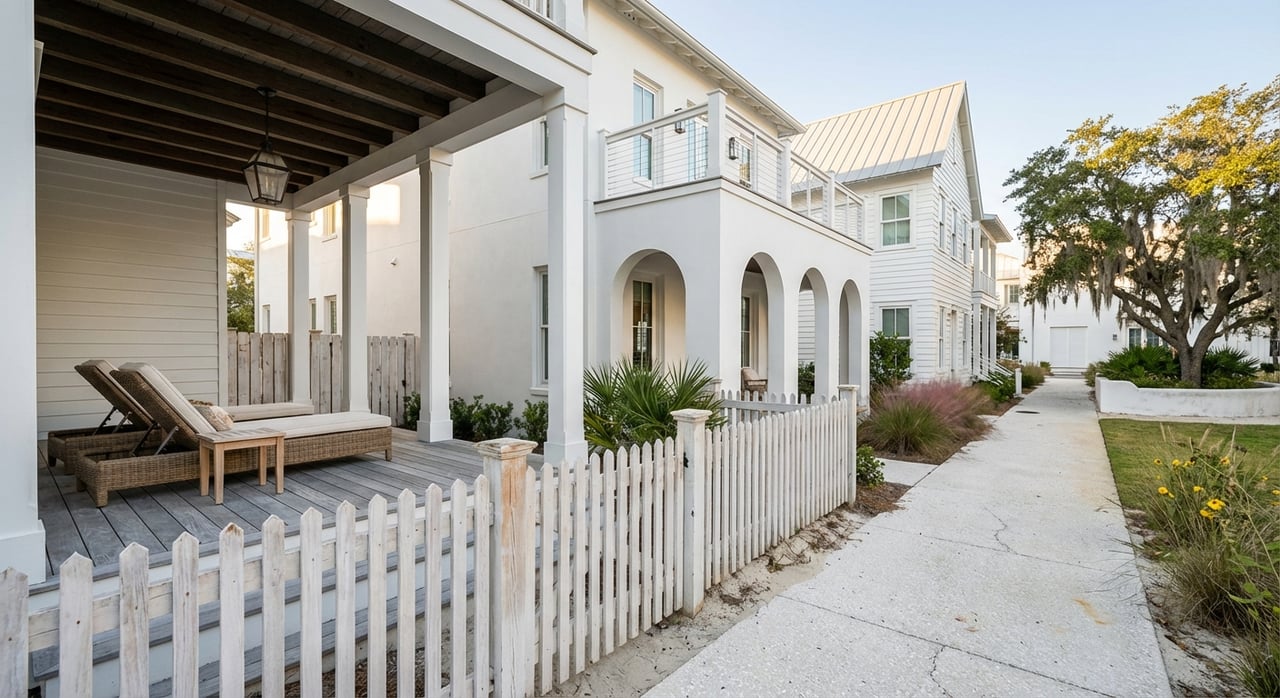
If you love the idea of stepping out your front door and strolling to the beach, coffee, and evening concerts, Seaside may be the right fit. Its carefully crafted town plan delivers that easy lifestyle, but it also shapes everything from parking to renovation timelines and rental rules. In this guide, you’ll learn how Seaside’s design works in your favor, where the trade-offs show up, and how to plan a confident purchase. Let’s dive in.
What makes Seaside different
New Urbanist DNA
Seaside is one of the earliest and best-known New Urbanist towns in the United States. It was intentionally designed for walkability, a human-scaled main square, and a mix of daily needs within a short walk. You can read the broader history on the Seaside, Florida overview and the planning case study in Harvard’s Urban Design Case Study Archive.
Streets, blocks, and public realm
The plan favors small blocks, narrow streets, and pedestrian passages that slow traffic and make the town center easy to reach on foot. This design reduces the need to drive for short trips and concentrates energy around the amphitheater and shops, as seen in the Seaside town listing and event core. Harvard’s case study explains how these choices encourage everyday walking and biking.
Architectural review and code
Seaside’s creators paired the plan with strong form-based rules and design review. Exterior changes, additions, and accessory structures typically go through an approval process to preserve character and variety. The town architect’s updates and commentary, summarized by Michael Watkins Architect, show that design controls remain central to ownership here.
Typical homes and landscapes
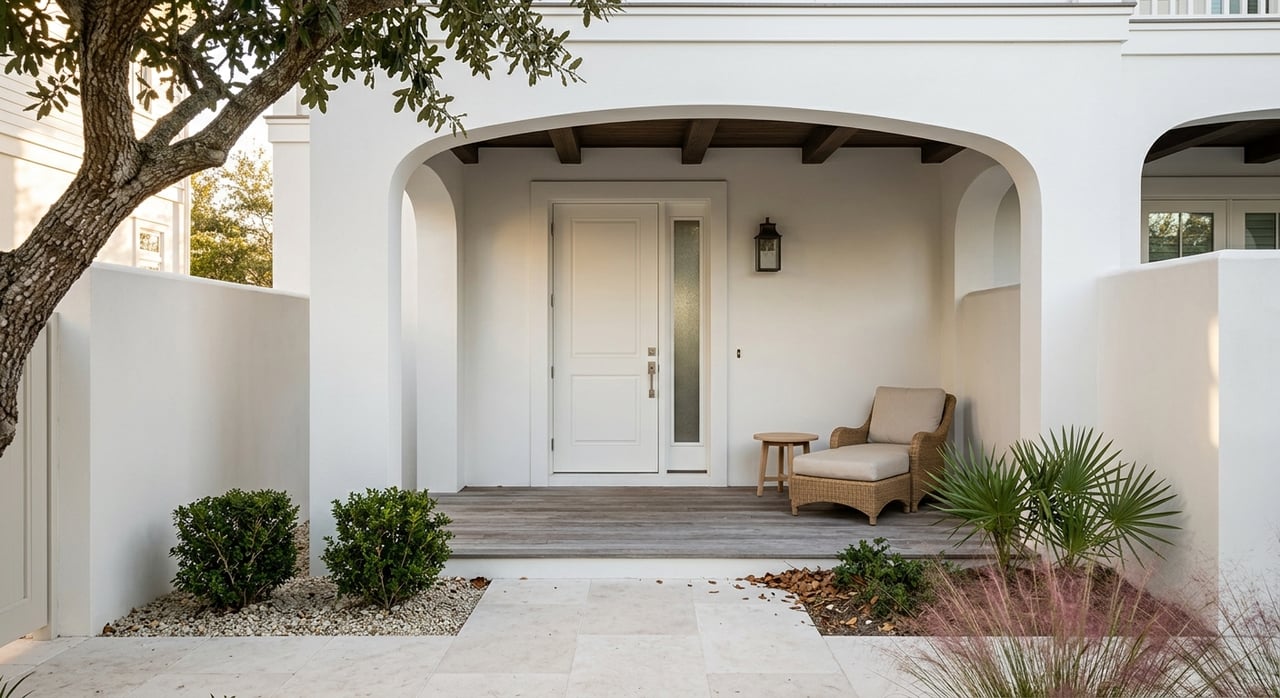
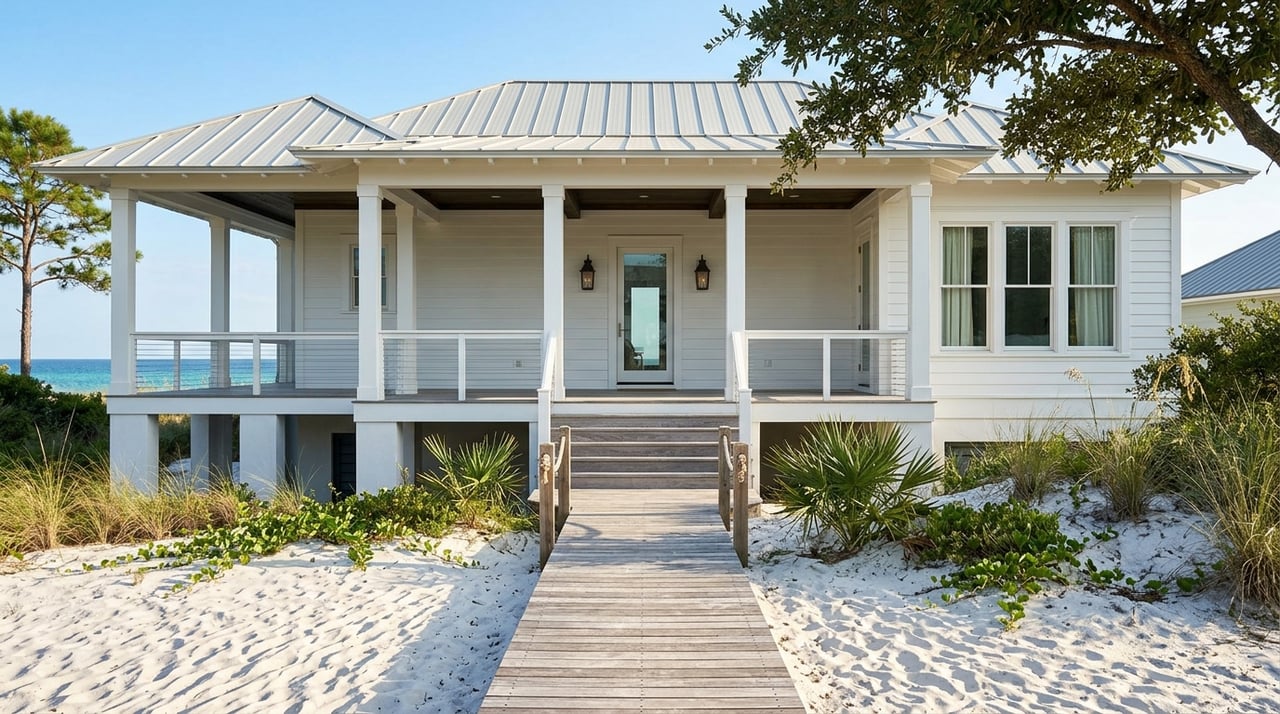
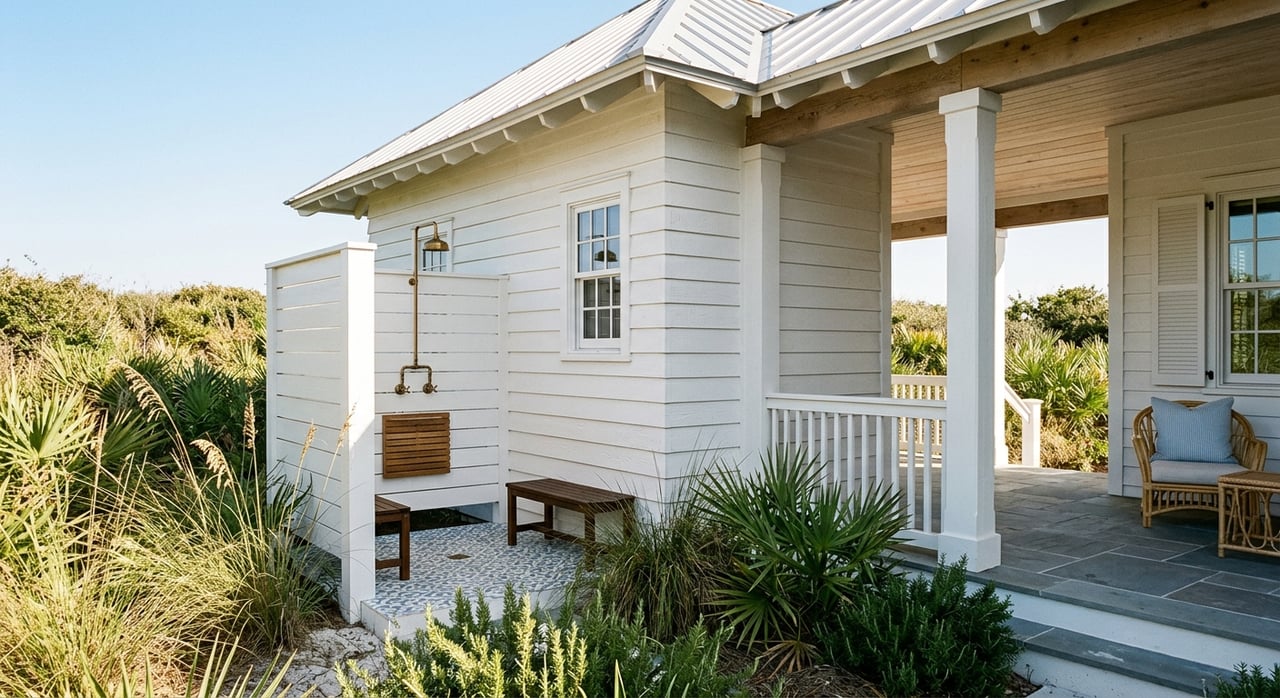
Cottages often present deep porches, picket fences, and native plantings to the street. Yards tend to be modest at the front, with privacy created by rear yards, screening, and careful orientation. The SAH Archipedia entry on Seaside highlights how these choices shape daily life and curb appeal.
How design shapes your day-to-day
Walkability and convenience
The biggest benefit is how easy it is to live locally. Restaurants, markets, and events cluster within a short, pleasant walk, supported by a street network designed for people first. Harvard’s Seaside case study describes how this fabric supports frequent short trips without a car.
Parking and vehicle planning
The trade-off is tighter on-site parking, especially in central blocks. Narrow streets and smaller lots mean you should confirm available spaces and guest parking options early. As SAH Archipedia notes, Seaside favors human-scaled streets, which is wonderful for walking but requires a plan if you keep multiple vehicles.
Short-term rental potential and rules
Demand and benchmarking
The 30A corridor is a high-demand coastal rental market with strong seasonality. To understand potential revenue, many owners look at third-party analytics; for example, AirDNA’s Rosemary Beach overview illustrates corridor performance and seasonality. Always adjust benchmarks for your home’s size, beach proximity, condition, and management.
Walton County certification
If you plan to rent, factor in Walton County’s short-term rental registration. The county’s framework requires a rental certificate, a designated local 24/7 contact, life-safety compliance, and posted rules, along with state and tax registrations where applicable. Occupancy and parking standards also apply. Review the county’s Vacation Rental FAQs to understand prerequisites, typical occupancy guidance, parking calculations, and enforcement.
HOA and deed restrictions
Beyond county rules, individual neighborhoods and condo regimes may limit rental frequency, minimum stays, parking, carriage houses, or guest use. Rules vary by property, so request covenants and rental history during due diligence. Rosemary Beach’s published standards offer a useful example of how community rules can shape layouts and rental use of accessory units; see Rosemary Beach design principles.
Quick rental-readiness checklist
- Confirm Walton County STR certificate eligibility, required postings, and responsible-party details.
- Pull HOA covenants to verify minimum-stay rules, parking, and guest limits.
- Model revenue with a third-party tool and sanity-check with local property managers.
- Verify on-site and guest parking relative to county standards.
Privacy, noise, and guest management
Front porches and tight setbacks invite friendly street life and quick connections with neighbors. For many owners, that is part of the charm. If you plan to host guests, set clear house rules and align operations with county requirements that call for posted noise and trash guidance and a local contact, as noted in the Walton County FAQs. The SAH Archipedia profile explains how Seaside’s porch culture creates a social, outward-facing rhythm.
Pricing, resale, and long-term value
Seaside’s brand, cohesive design, and celebrated planning pedigree often support strong buyer interest and long-term appeal. Those same design protections can extend renovation timelines and add approval steps, which you should plan for in your budget and schedule. The SAH Archipedia overview and code update commentary describe how design quality is defended over time. In practice, that stewardship can help preserve visual character and liquidity for homes that align with buyer priorities like walkability and access to events.
Flood risk, insurance, and resilience
As with any Gulf-front community, evaluate flood zones, elevation, and insurance early. Request the FEMA map panel for the parcel, any existing elevation certificate, and quotes for flood and wind coverage to understand long-term carrying costs. The FEMA Flood Map Service Center is the authoritative starting point.
Seaside vs. Rosemary Beach vs. WaterColor
- Seaside: A compact, walkable town with a vibrant square and strong architectural review. It trades lot size and some privacy for access and charm. See the SAH Archipedia profile.
- Rosemary Beach: A New Urbanist peer that uses alleys and carriage houses to position parking and create more private street fronts. Accessory units can add rental flexibility where covenants allow. Explore Rosemary Beach’s architecture guidelines.
- WaterColor: A larger master plan that emphasizes lakes, trails, parks, and resort-style amenities, often with more on-site parking and a different privacy feel. For a corridor overview, see the Friends of Scenic 30A description.
Buyer checklist for Seaside
Use this as a practical framework when you evaluate listings:
- Planning and design review: Confirm current form-based rules and approval timelines. Ask sellers for any recent design-review approvals or open items. Reference the Seaside code commentary.
- Rentals: Verify Walton County STR certificate requirements, postings, and parking or occupancy rules in the county FAQs. Cross-check HOA covenants for rental limits.
- Revenue modeling: Use a third-party benchmark like AirDNA’s corridor data and adjust for bed count, condition, and distance to beach.
- Parking: Confirm on-site spaces and practical guest parking options relative to county standards.
- Flood and insurance: Pull the parcel’s FEMA map panel and seek insurer quotes early at the FEMA Map Service Center.
- Community experience: Visit at different times of day and week to gauge activity, sound levels, and porch-life rhythm.
Ready to explore Seaside like a local
If Seaside’s walkable plan and timeless look match how you want to live, the next step is a focused search that fits your privacy, parking, and rental goals. Our team brings decades of local knowledge, design fluency, and data-informed guidance across Seaside, WaterColor, and Rosemary Beach. When you are ready to talk specifics, reach out to The Morar Group for a thoughtful, senior-broker-led consultation.
FAQs
What is New Urbanism in Seaside, and why does it matter?
- It is a planning approach that prioritizes walkability, mixed uses, and human-scaled streets; in Seaside, this delivers easy daily living close to the square and beach, with design review that protects long-term character.
How does Seaside’s layout affect parking for owners and guests?
- Narrow streets and smaller lots in core areas can limit on-site spaces, so confirm your driveway capacity and practical guest options before you buy.
What short-term rental steps does Walton County require for a Seaside home?
- Expect a county rental certificate, posted rules, a 24/7 local contact, and compliance with occupancy, parking, and life-safety standards listed in the county FAQs.
How does Seaside compare to Rosemary Beach for rental layouts?
- Rosemary Beach often uses alleys and carriage houses, which can create separate-access rental options where covenants allow; Seaside is more street-facing with fewer rear-access patterns.
How do I evaluate flood risk and insurance for a Seaside property?
- Pull the parcel’s FEMA flood map panel, request an elevation certificate if available, and get quotes for flood and wind coverage early to understand total carrying costs.