Wondering what “deeded beach access” really means on 30A, or how it differs from a private club pass or a public crossover? If you are exploring homes in Walton County’s 32461 ZIP, the type of access you buy will shape how you enjoy the beach day to day. In this guide, you will learn how deeded, private, and public access work along 30A, what to verify before you write an offer, and how to avoid common pitfalls. Let’s dive in.
What beach access means on 30A
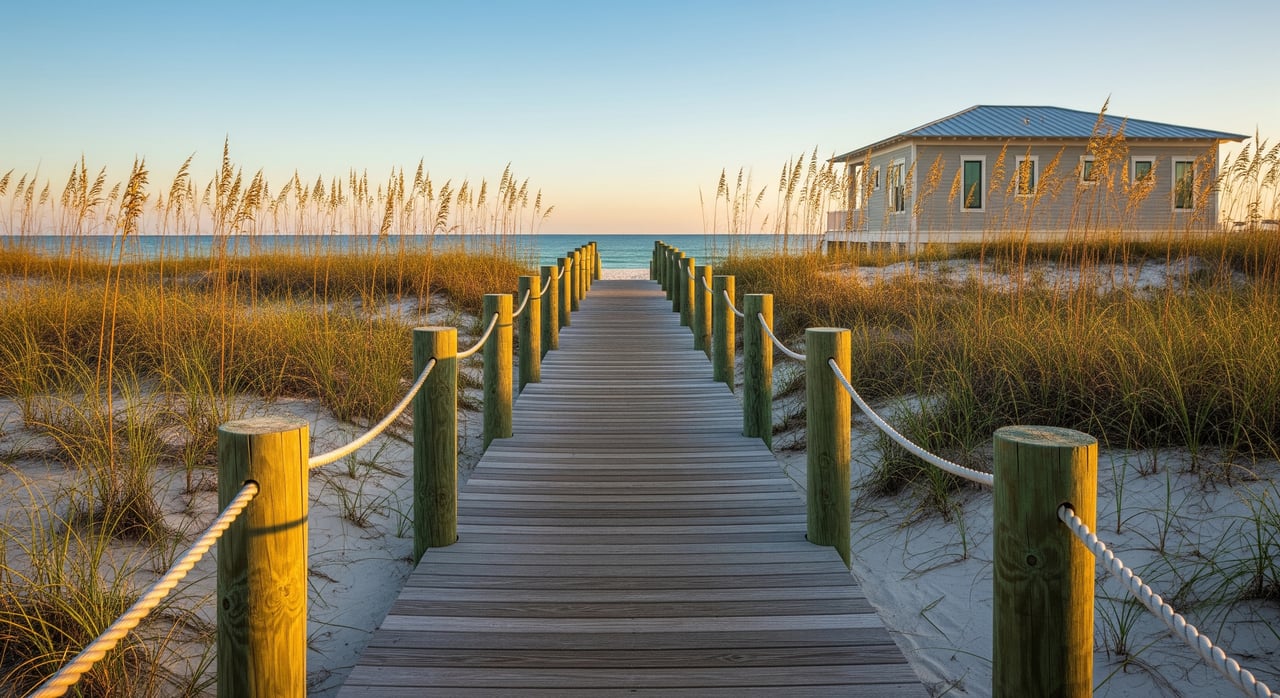
Along 30A, you will see a mix of public beach parks, county access points, and community-managed crossovers. Many planned communities have their own walkovers and club-style amenities, while public access points range from simple dune paths to larger sites with parking and restrooms. The right fit depends on how you plan to use your property, host guests, and move to and from the beach.
Deeded beach access basics
Deeded access is a recorded legal right that lets specific people cross private property to reach the beach. You will see it described as an ingress and egress easement, a beach access easement, or a covenant listed in subdivision or plat documents. The easement may be exclusive to certain lot owners or nonexclusive among a defined group.
The deed or plat language should spell out who can use the access, how it can be used, and who maintains it. Look for clear terms on pedestrian use, whether bicycles or maintenance vehicles are allowed, and any mention of revocability. Deeded access often requires owners or an HOA to maintain the crossover or boardwalk.
Deeded access does not automatically include parking or vehicle use. Many deeded crossovers are pedestrian only. Use and enforcement are typically handled by the HOA or through legal action, and you will often see signage restricting access to owners and their guests.
What it means for your daily use
If you host family and friends, confirm guest policies early. Ask whether guests may use the access and if there are caps or passes. If you plan to drive or bring gear, verify whether the access includes any parking. Many do not, so you may need to plan for drop-offs or use a nearby public lot.
Private beach clubs and HOA access
Private club access is an amenity managed by an HOA, condo association, or a separate membership club. Policies vary. Some memberships attach to property ownership, while others are optional and fee-based. Club access can include restrooms, chair service, lifeguards, and parking, but offerings differ from one community to the next.
Club rules control who can use the facilities, guest passes, and any day-use fees. A private club does not change the public’s rights seaward of the mean high water line, but it does control upland facilities, gates, and services for members and approved guests.
Common policies to confirm
- Is membership automatic with ownership or optional at extra cost?
- Are there guest limits, day passes, or blackout dates?
- What amenities are included and what requires additional fees?
- Are there parking permits, time limits, or fines for violations?
Public beach access points
Public access is owned or managed by a government entity and open to everyone unless temporarily closed for storms or construction. In the 30A area, access points may be operated by Walton County, municipal departments, or Florida State Parks. Some have parking, restrooms, lifeguards, or ADA features, while others are simple dune walkovers.
Amenities and parking vary widely. Popular sites can fill quickly, especially in peak seasons. If convenient public access is important, map your nearest public points and visit at different times of day to understand real-world parking and walking times.
Public access and private property
In Florida, the submerged and intertidal lands seaward of the mean high water line are held for public use. Practically, that means the beach area seaward of the mean high water line is generally available to the public. This does not require private upland owners to provide a path across their property. Your ability to reach the public zone depends on recorded public access points or a deeded or club access that you are allowed to use.
Verify access for a property: step by step
- Review the deed and recorded documents. Pull the recorded deed, plat, and any easements from the Walton County Clerk of Court. Look for express beach access easements, plat notes that call out private walkovers, and HOA covenants.
- Order a title search and commitment. Ask a title company to identify any easements, reservations, or restrictions affecting access and the dune system.
- Check parcel maps and surveys. Use the Walton County Property Appraiser records and a survey to confirm the property’s location relative to access points, dunes, and the shoreline.
- Gather HOA or developer documents. Request the CC&Rs, beach access rules, guest policies, parking rules, and any membership requirements for a beach club.
- Inspect on site. During showings, look for signage that indicates public versus private use, gates or codes, boardwalk conditions, and whether the access is pedestrian only. Note parking availability and restrictions for owners and guests.
- Confirm with local offices. Walton County Parks and Recreation and Florida State Parks can confirm public access locations and facilities. Ask about any planned changes that may affect access.
- Ask the listing agent and seller. Clarify whether access is deeded, community-managed, or public. Ask who maintains the walkover, how guest parking works, whether day-use fees apply, and if there has ever been a dispute.
- Make it a contingency. If access is critical to your purchase, add a verification contingency backed by attorney or title company review. Consider an updated survey if shoreline changes may affect practical access.
What to check during tours
- Walk time versus distance. A home may be near the beach but still require a longer walk to a specific crossover. Verify the actual route you will take.
- Parking realities. Many private or deeded crossovers do not include guest parking. Confirm where visitors can park and whether permits are required.
- Amenities you need. Public sites may have restrooms and lifeguards. Private clubs may offer services and seating for a fee. Match the setup to how you plan to use the beach.
- Signage and enforcement. Look for “Residents and Guests Only” or “Public Access” signs. Signage is a good indicator of who may use a crossover and how it is managed.
- Seasonal limits. Some accesses close for restoration or after storms. Ask about recent closures and repair timelines.
Red flags and pitfalls
- Vague deed language. If a document mentions “access” without naming who benefits, get clarification from a title professional or attorney.
- Crossovers over multiple lots. Confirm who owns and maintains each segment and how storm repairs are funded.
- Oral promises. A seller’s statement that “everyone uses our walkover” is not a substitute for a recorded right.
- Guest and parking surprises. Small communities often limit guest use to protect owner experience. Read the rules before you rely on them.
Coastal change and access
Coastal conditions evolve. Beach width, dunes, and even the mean high water line can move due to storms and renourishment. These changes can affect the distance from a crossover to the water and whether walkways need extensions or repairs. Ask whether the community has participated in beach renourishment or dune restoration and how those efforts are funded.
Why this matters in 32461
If you plan to use your home frequently, deeded or club access can be a day-to-day convenience. If you will host extended family or guests, rules around passes and parking matter. If you value services like restrooms or chair setups, a private club or a well-equipped public site may fit better than a simple crossover.
For investment-minded buyers, access can influence guest satisfaction and repeat rentals. Public access nearby can help with flexibility, but peak-season parking may be limited. Align your purchase with the actual access your guests will use.
Next steps
- Decide which access type fits your lifestyle and hosting needs.
- Map and walk the nearest public and private crossovers before you make an offer.
- Obtain and review all recorded documents, HOA rules, and any club membership terms.
- Make access verification a contract contingency and use a title company and attorney for review.
When you are ready to compare properties, we can help you verify what access you are actually buying and how it will work for your family. Start the conversation with The Morar Group.
FAQs
If a beach is public, can I reach it from any lot in Walton County?
- Not necessarily; the area seaward of mean high water is public, but you must use a public access point or a recorded private right to cross upland property.
What does deeded beach access include on 30A?
- It grants a recorded right to cross private property as defined in the deed or plat, but it usually does not include parking unless the documents say so.
Does deeded access include parking near the crossover?
- Only if the easement or HOA rules explicitly provide it; many deeded accesses are pedestrian only.
Can an HOA restrict a deeded access right?
- An HOA can regulate use consistent with the recorded easement and community rules, but it cannot unilaterally remove recorded rights.
Are private beach club memberships tied to home ownership?
- Sometimes; membership can be automatic with ownership or optional for an added fee, so you should confirm transfer and guest policies.
How do I confirm where the mean high water line is for a property?
- Review surveys and recorded documents and consult a title company or surveyor for current conditions and shoreline references.