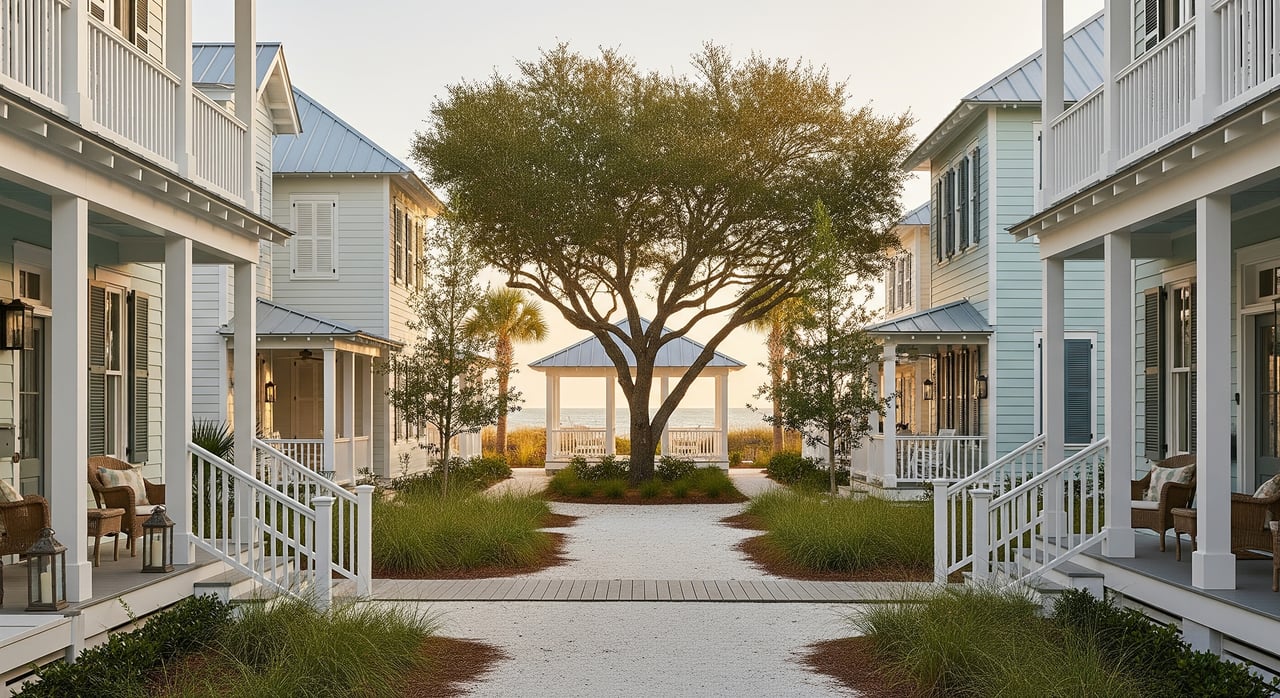
What if your morning coffee, the beach, and dinner plans were all an easy stroll from your front porch? If you are curious about Seaside on 30A, you have likely heard the town praised for its planning and lifestyle. In this guide, you will learn how Seaside’s New Urbanist design works, what it looks like day to day, and why these choices can influence long-term value. Let’s dive in.
What New Urbanism means in Seaside
Seaside is one of the most widely cited examples of New Urbanism in the United States. Planned in the early 1980s by the firm led by Andres Duany and Elizabeth Plater-Zyberk, the town showcases walkable streets, a compact center, and carefully shaped public spaces. You can explore the town’s mission and resources through the official Seaside site and the planners’ background at Duany Plater‑Zyberk.
At a high level, New Urbanism promotes walkable neighborhoods with mixed uses, human-scale buildings, and a strong public realm. For a movement overview, the Congress for the New Urbanism offers helpful context on core principles that Seaside puts into practice.
Walkability by design
Walkability in Seaside starts with a fine-grained street network. Blocks are short, streets are narrower than typical suburban roads, and there are many routes to any destination. This shortens walking distances and naturally calms car traffic.
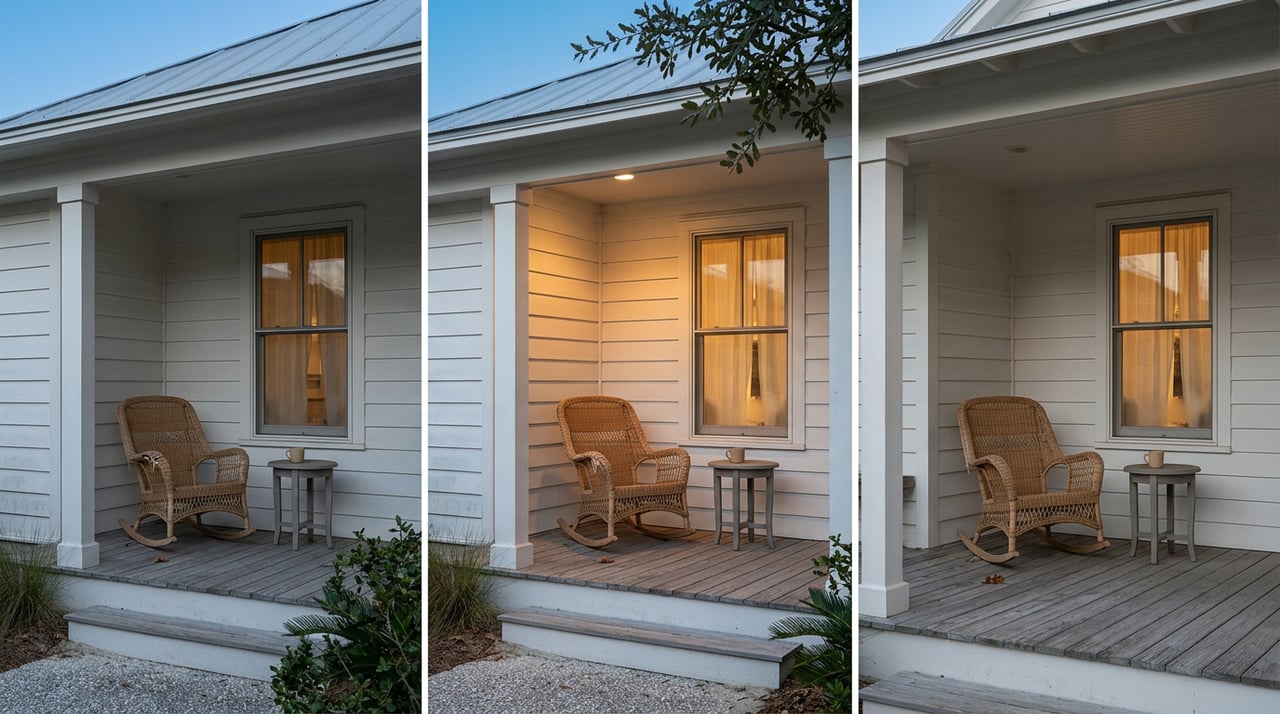
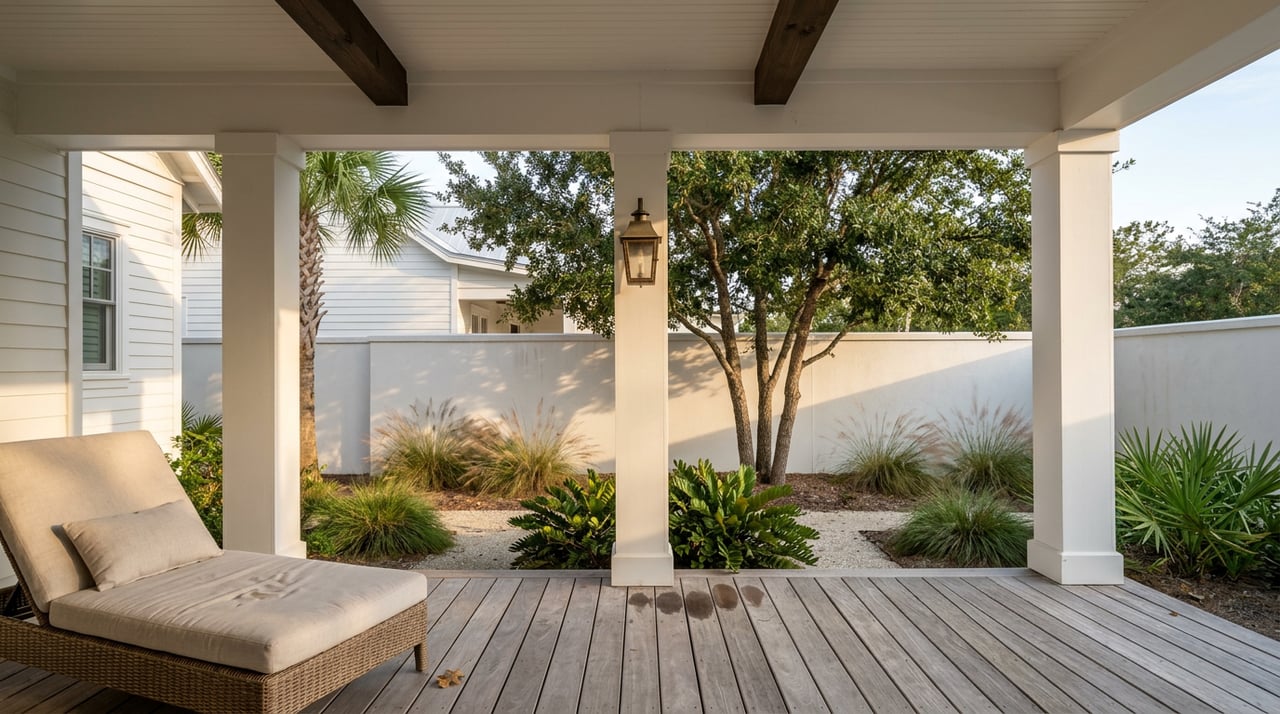
Details matter. You see continuous sidewalks, front porches that face the street, and active corners that encourage people to stop and connect. Rear alleys handle utilities and garage access so curb cuts do not interrupt the pedestrian realm. The result is a place where walking and biking are the first choice for short trips, while cars are still accommodated when you need them.
Mixed-use streets and a compact center
Instead of separating shops, homes, and offices, Seaside organizes them into a walkable town center. Ground-floor retail with residences or offices above creates energy throughout the day and into the evening. This compact pattern reduces the need for car trips and supports small businesses with steady foot traffic.
For a planning perspective on why mixed-use works, you can review principle summaries from the Congress for the New Urbanism and project frameworks from Duany Plater‑Zyberk.
Cottage scale and architectural pattern
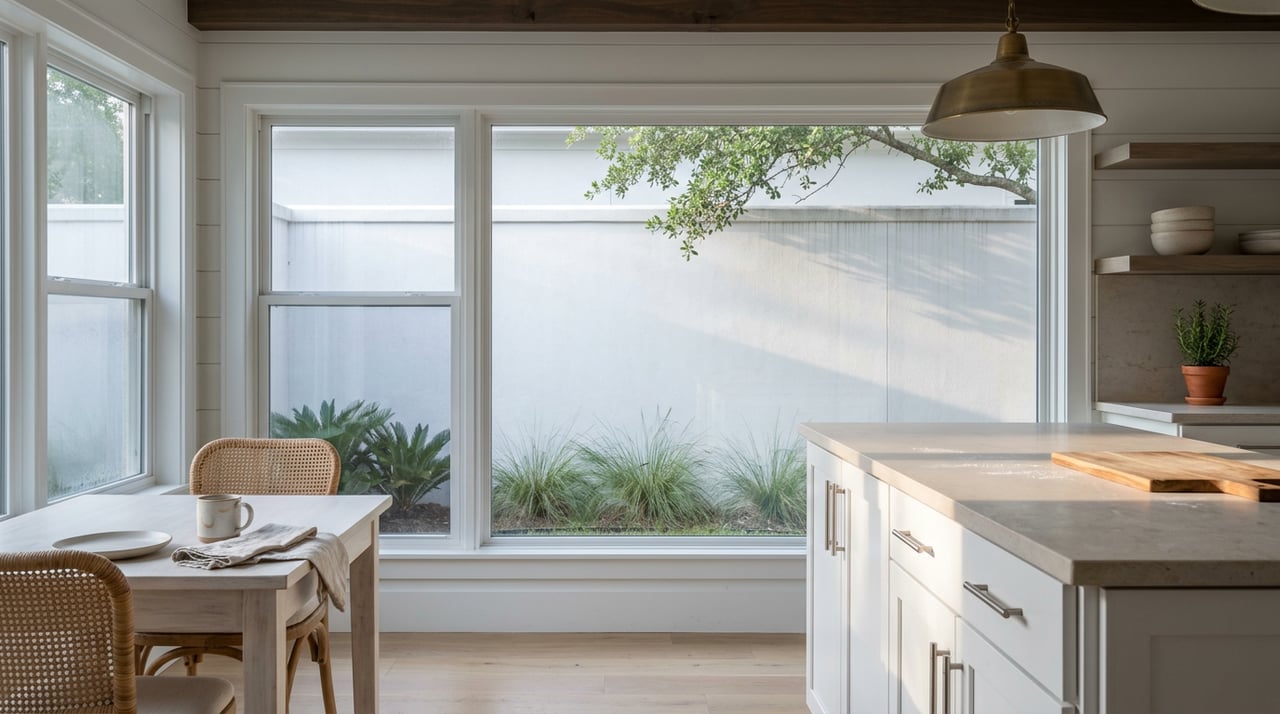
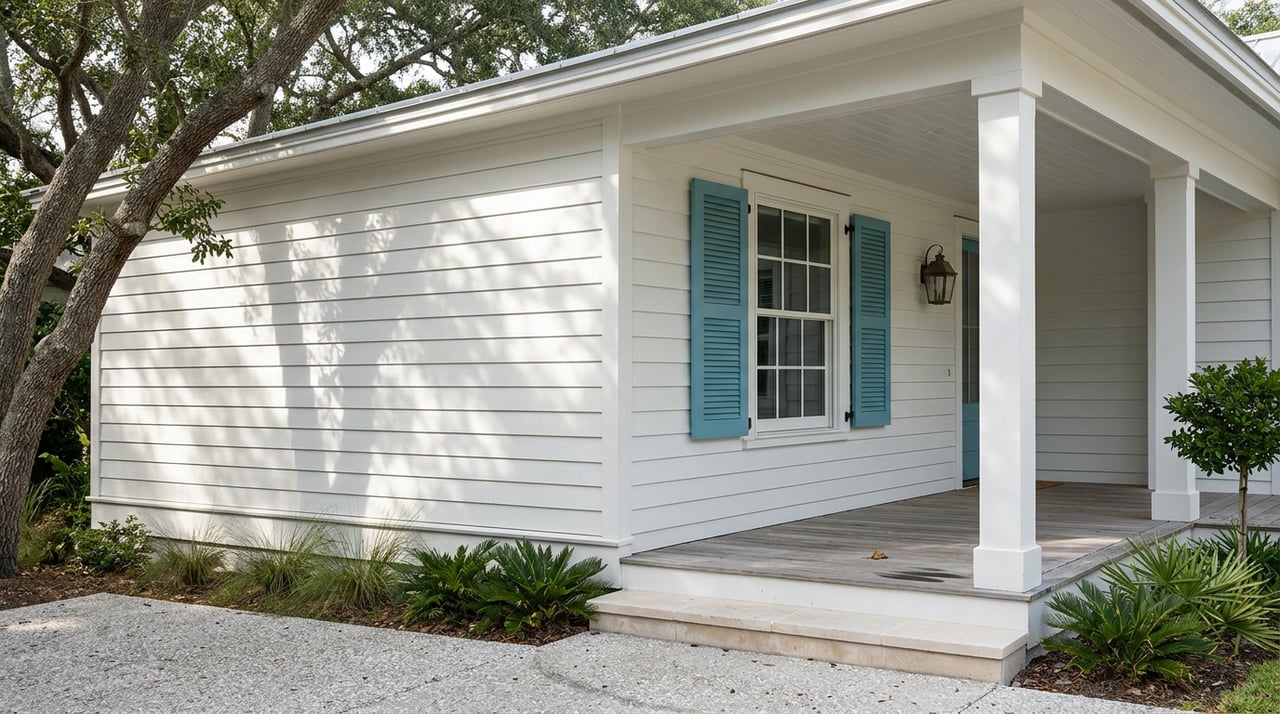
Seaside’s homes are designed at a cottage scale with human-friendly proportions. You will notice porches, pitched roofs, modest setbacks, and narrow lots that frame a comfortable streetscape. The town relies on design rules that guide massing, rooflines, porch types, window patterns, and placement on the lot.
These are examples of form-based elements. They focus on how buildings shape the public realm rather than only separating uses. The Form‑Based Codes Institute explains how rules like these create variety within a coherent pattern.
Civic spaces and the public realm
Public spaces are the backbone of daily life in Seaside. Greens, small parks, and central squares are placed within an easy walk of most homes. Civic uses, from places of worship to communal lawns and event spaces, help anchor the neighborhood and host gatherings.
Seaside also respects its coastal setting with defined beach access and protected dune corridors. Boardwalks and planned paths balance private development with the area’s natural assets. Community programming on shared greens adds rhythm to the calendar and gives residents and visitors a reason to connect.
How planning shapes daily life
Mobility and time use
Short walks to cafés, shops, and the beach cut down on car dependence. Narrow streets, porches, and corner storefronts invite casual conversations. You spend more time enjoying the place and less time driving between destinations.
Local businesses and convenience
Compact, mixed-use centers support small-scale retailers because customers can easily arrive on foot. The regular flow of people sustains local cafés, boutiques, and services that might struggle in a spread-out setting.
Social life and community rhythm
A network of civic spaces creates built-in venues for markets, concerts, and festivals. Front porches and front-facing entries add informal neighbor contact and a sense of shared oversight.
Environmental and coastal considerations
Walkability can reduce local vehicle miles traveled in daily life. Seaside’s preservation of dunes and planned beach access help protect coastal ecology, though true resilience depends on site-specific measures and ongoing management. For flood risk research and maps, visit the FEMA Flood Map Service Center.
Practical trade-offs to weigh
Peak-season visitation can bring congestion, parking pressure, and higher noise near busy nodes. Smaller lots and strict design rules limit large additions or major stylistic changes. As a Gulf-front community, Seaside properties face wind, storm, and insurance considerations that should be reviewed during due diligence.
Long-term value implications
Design features that support value
Walkability, proximity to amenities, and a coherent public realm are linked to stronger marketability. Rules and review processes preserve neighborhood character over time, which reduces the risk of out-of-scale or incompatible development next door. Convenience and embedded services often maintain demand even as broader conditions shift.
What research says about price premiums
A range of academic and industry studies report measurable premiums for walkable, mixed-use places, with effects that vary by market and methodology. You can explore summaries and related work at the Brookings Institution and Smart Growth America. The exact lift in Seaside depends on factors like location within town, lot size, elevation, and current supply and demand.
Risks to underwrite on 30A
Coastal hazards, flood zones, and evolving insurance availability and costs can influence values. Affordability constraints may limit the buyer pool at higher price points, even as they support competitive resale. Seasonal tourism and short-term rental rules also affect ownership experience and returns. Review FEMA designations, elevation certificates, and local insurance quotes early in the process using the FEMA Flood Map Service Center.
Why design governance matters
Form-based codes, covenants, and architectural review help keep the built environment predictable. That predictability can protect neighborhood character and long-term value. For the regulatory approach behind places like Seaside, see the Form‑Based Codes Institute.
Buyer checklist for Seaside
Use this quick reference to focus your due diligence:
- Walkability test: Map walking routes to the beach, cafés, and the town center. Visit at different times and seasons to feel traffic and noise levels.
- Design rules: Request design guidelines, covenants, and architectural review procedures from the seller or HOA. Confirm what is feasible for remodels or additions.
- Flood and wind risk: Pull FEMA flood zone information and any elevation certificates. Obtain quotes from insurance providers familiar with Walton County conditions using the FEMA Flood Map Service Center as a starting point.
- Seasonality: Ask about occupancy patterns and short-term rental rules. Visit during the off-season to check year-round livability.
- Recurring costs: Review HOA or community maintenance fees, dune or beach assessments, and typical utilities and insurance.
- Market context: Compare recent comps and days on market, and check Walton County property records for parcel details.
How we can help on 30A
If you want the lifestyle Seaside is known for, you also want clear guidance on value, risk, and timing. Our senior-broker team pairs hyper-local expertise with data-informed advisory to help you buy or sell with confidence. From walkability tests and property-level risk reviews to high-production listing marketing, you will get thoughtful, high-touch service at every step.
Ready to start a focused conversation about Seaside? Connect with The Morar Group for a private consultation.
FAQs
What makes Seaside a New Urbanist model?
- Seaside combines a walkable street network, mixed-use center, cottage-scale homes, and civic spaces governed by design rules, which showcases the core New Urbanist toolkit.
How walkable is daily life in Seaside?
- Short blocks, narrow streets, and close-by shops and beach access support everyday walking and biking, with cars still available for longer trips.
Do Seaside’s design rules limit renovations?
- Yes, guidelines and architectural review shape massing, porches, rooflines, and placement, so you should verify what changes are allowed before planning a remodel.
How does seasonality affect ownership in Seaside?
- Peak-season visitation raises activity and parking demand near the center, while off-season months are quieter; visit in both periods to align expectations.
What should I know about flood insurance on 30A?
- Review FEMA flood zones, elevation certificates, and current insurance quotes early; start with the FEMA Flood Map Service Center for mapping and terms.
Do mixed-use streets help property values?
- Research links walkability and mixed-use convenience to stronger demand and price premiums, though results vary by property, timing, and market conditions.